Life, as lived
Dzaleka is not a story.
It is a place where people live.What follows are fragments of daily life, shared by those who call this place home.
The posts below come directly from refugees living in Dzaleka.They are not curated for message. They are not filtered for tone.
They are shared because the people who posted them chose to share them and because what life looks like from the inside matters more
than what it looks like from a distance. This is not a campaign. It is a window, held open by the people who live there.
Views and expressions are their own and do not represent the positions of Sisi Ni. This feed is moderated for safety — not for message or tone
Shaped by waiting
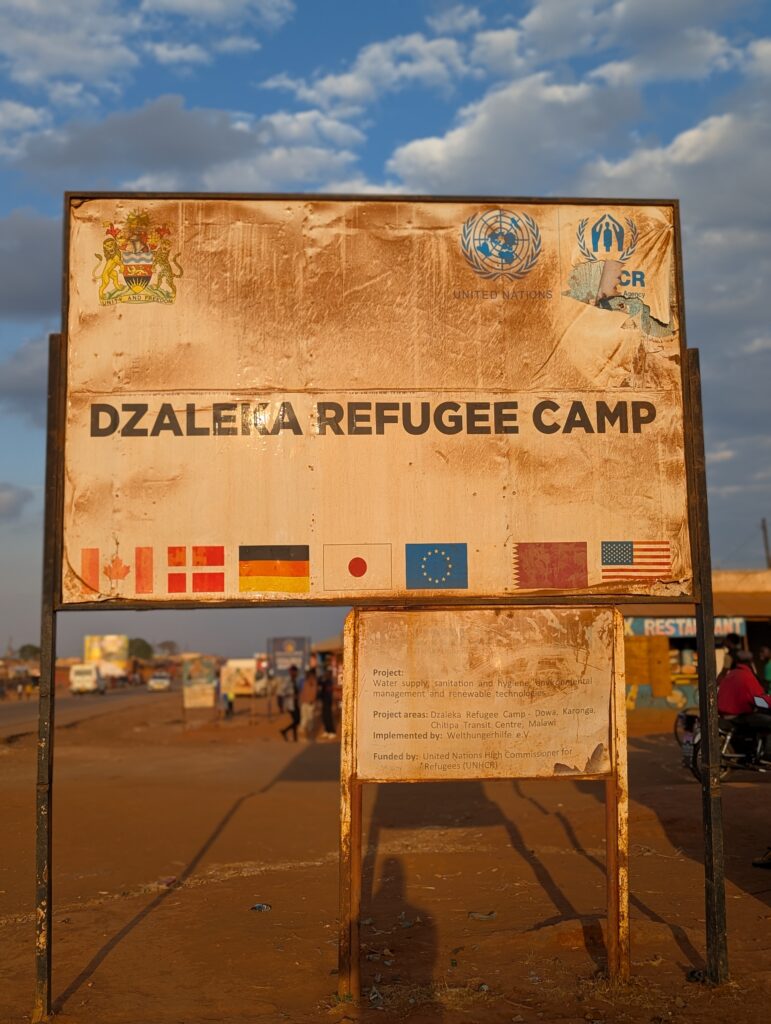
Dzaleka Refugee Camp was established in 1994 and is located in central Malawi.
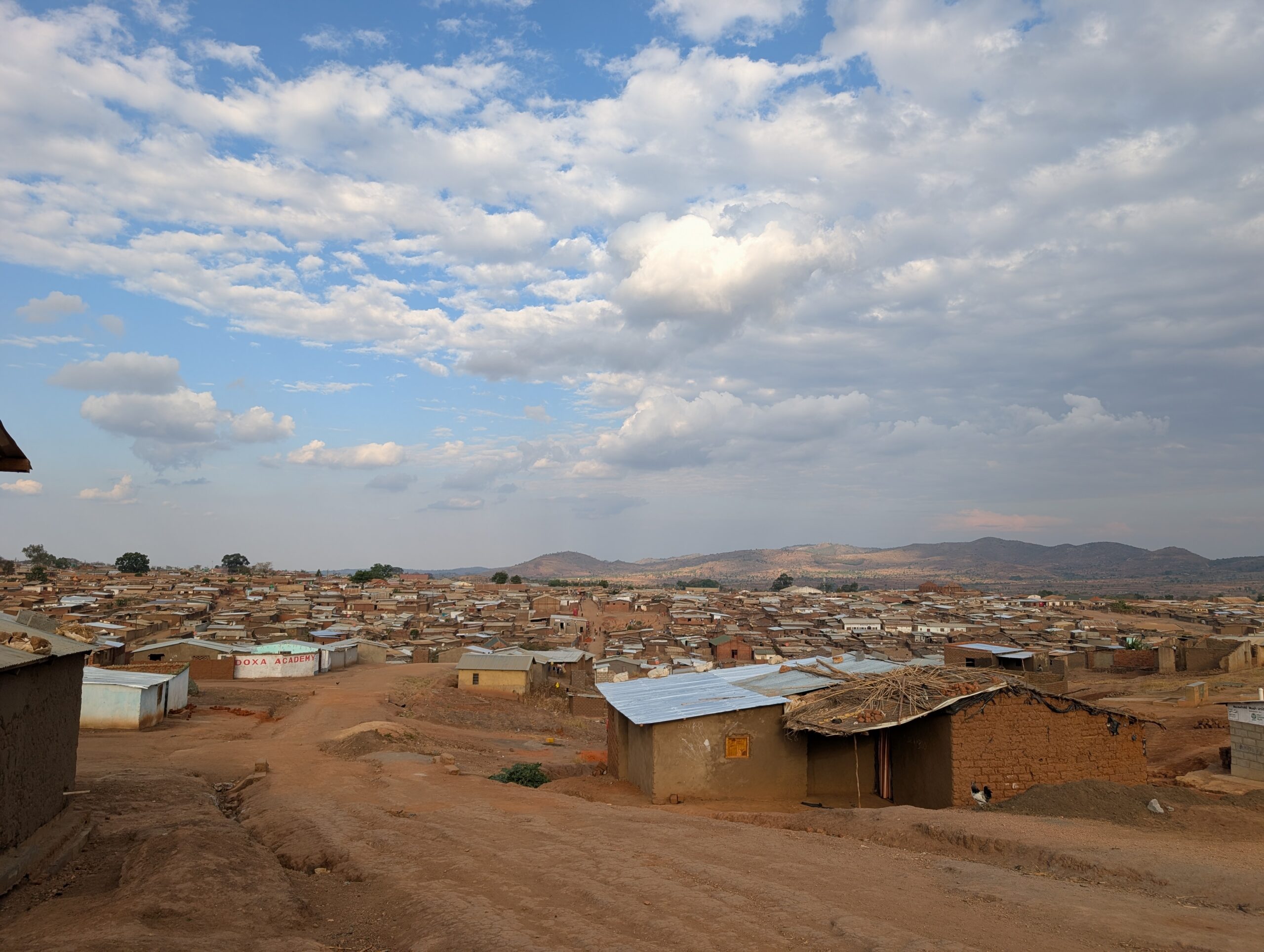
Today, it is home to nearly 60,000 people from multiple countries across the region.
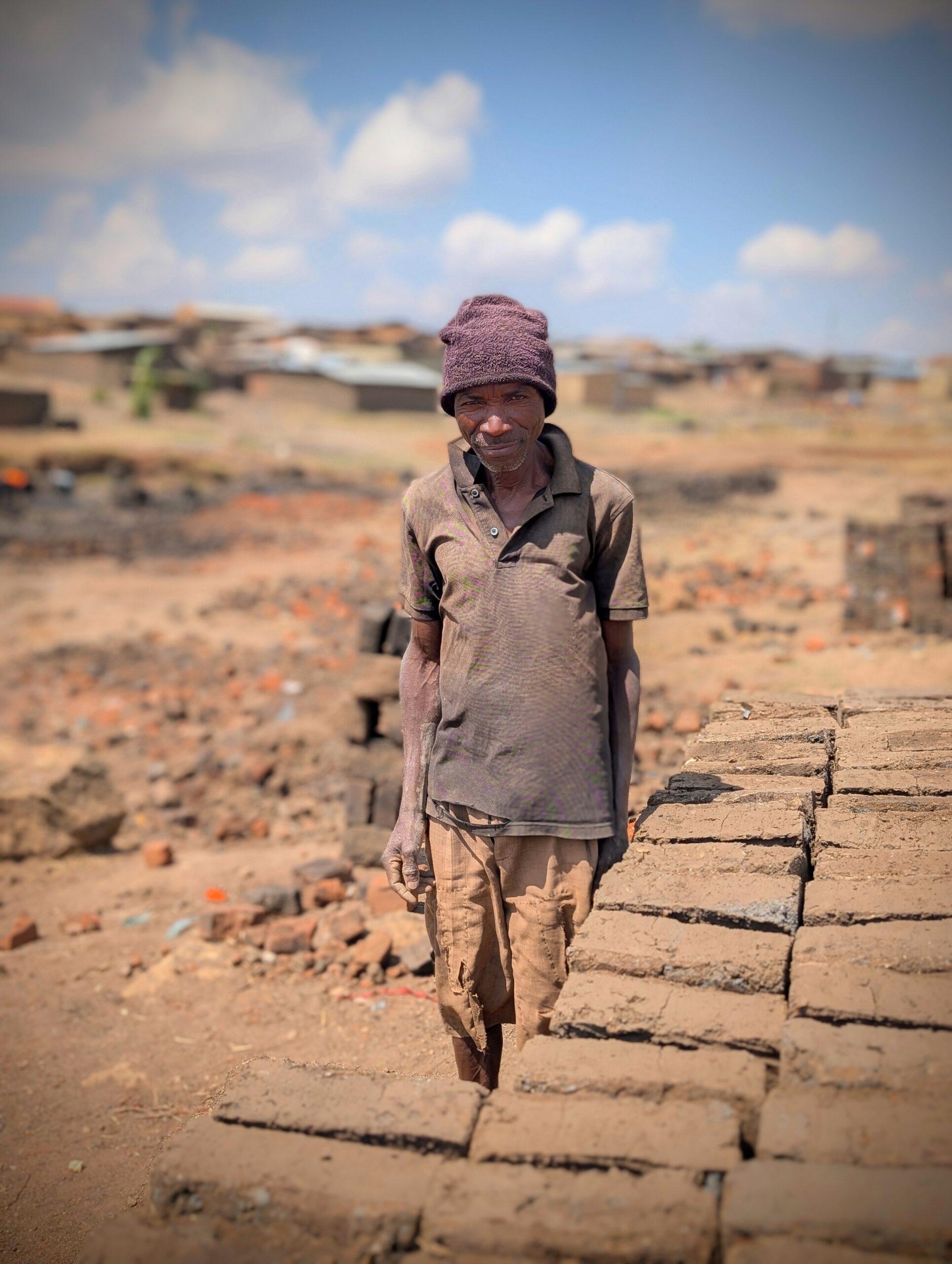
Most residents have lived here for years—many for more than a decade.
Refugees in Dzaleka are legally restricted from working outside the camp and have limited access to formal employment within it.
What was intended as a temporary solution has, for many, become a lifelong reality.
Life here is shaped by waiting—waiting for documents, for permission, for opportunity, for peace elsewhere.
The conflicts that forced many families to flee have not simply ended.
In many cases, they are sustained by struggles over power, land, and resources, and by cycles of violence that extend across generations. For children born into displacement, violence elsewhere is not an interruption—it is the background noise of life.
Return is often unsafe or impossible.
Leaving is not permitted.
What remains is waiting: for peace, for permission, for a future that has not yet arrived.
Malawi is one of the poorest countries in the world, facing its own economic and social challenges.
Despite this, it has hosted refugees for decades.
Refugees in Dzaleka live alongside Malawian communities, sharing land and limited resources.
This relationship is complex, imperfect, and sustained through cooperation rather than abundance.
Sisi Ni works in partnership with local actors and refugee leaders, recognizing that hospitality itself carries a cost-and that dignity depends on mutual respect.
Life continues here—today, tomorrow, and long after this page is closed.